Yes, foreigners can own property in Phuket — but the rules depend on property type. This complete guide explains every legal ownership structure available to international buyers in 2026, from freehold condominiums to leasehold villas.
If you are considering buying property in Phuket, this is probably one of the first questions you have asked. The good news is that foreigners can absolutely own property here — the rules are clear, well-established, and used by thousands of international buyers every year. What changes is the structure, depending on what type of property you want to buy.
Here is everything you need to know, explained simply.
This is the simplest and most straightforward option for foreign buyers. Thai law allows foreigners to own up to 49% of the units in any registered condominium building outright — meaning the title deed is registered in your personal name at the Land Department, just like owning property in your home country.
This is called foreign freehold ownership, and it comes with no expiry date, no Thai partner required, and no complicated company structure. You own it, you can sell it, rent it, or pass it on to your family.
The one thing to check: confirm with the developer or agent that the foreign quota (49%) has not already been filled in that specific building. If it has, you would need to look at other buildings or consider a different ownership structure.
One important requirement: your purchase funds must be transferred from overseas in foreign currency. When the money arrives in Thailand, your Thai bank will issue you a document called a Foreign Exchange Transaction (FET) form. Keep this — you will need it to register the title in your name.
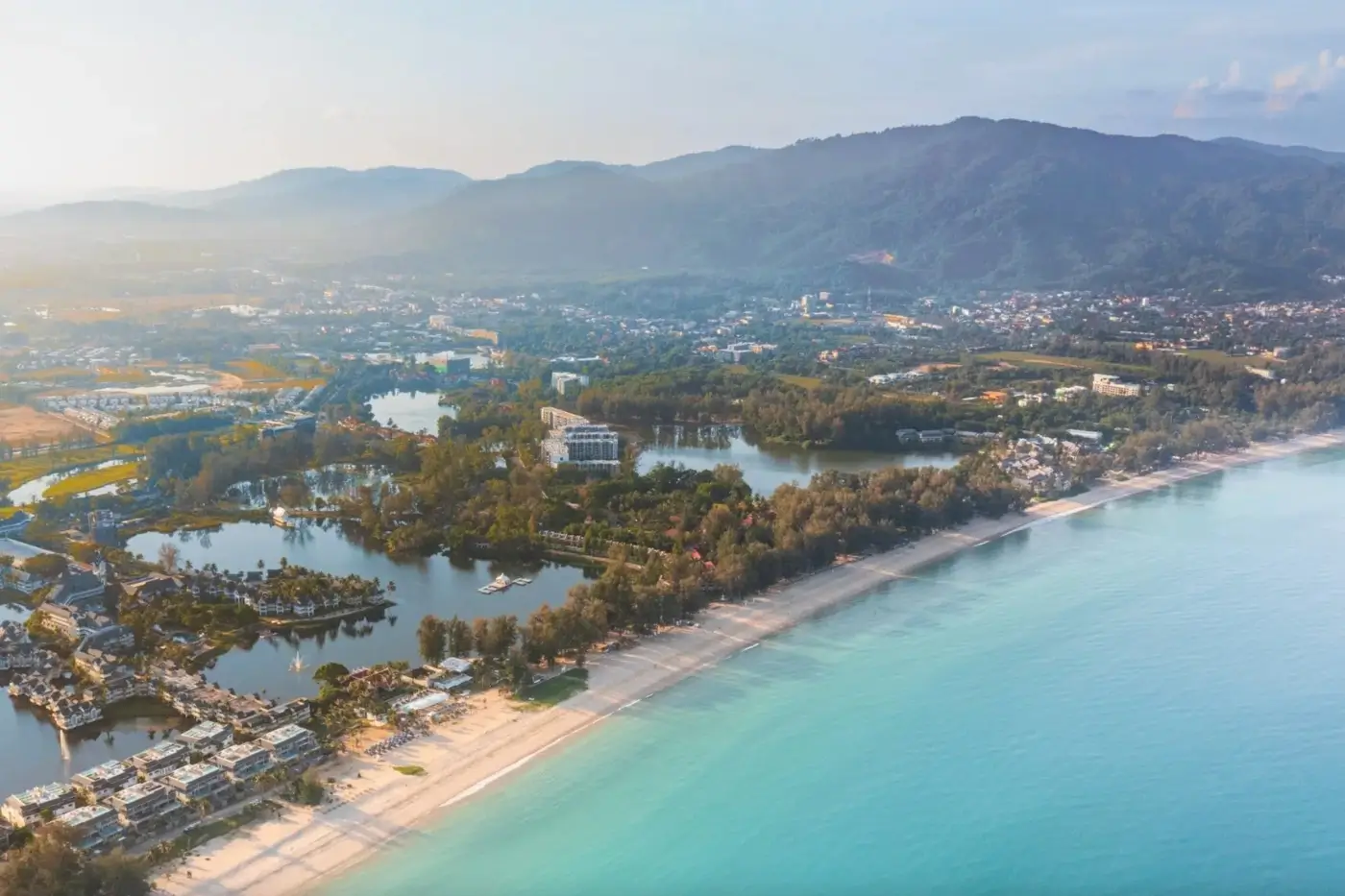
Popular areas for freehold condominiums include Bang Tao & Laguna, Kamala Beach and Surin Beach.
Thai law does not allow foreigners to own land directly in their personal name. So when you buy a villa, house, or any property that sits on land, the standard structure is a long-term leasehold.
Here is how it works in plain terms: you sign a lease agreement giving you the exclusive right to use the property for 30 years. This lease is registered at the Land Department — it is a legal document, publicly recorded, and enforceable in Thai courts. Most leases also include renewal options for additional 30-year periods.
Is leasehold safe? Yes — when the lease is properly drafted and registered. The key is having an experienced Thai lawyer review the agreement before you sign. Specifically, you want to check:
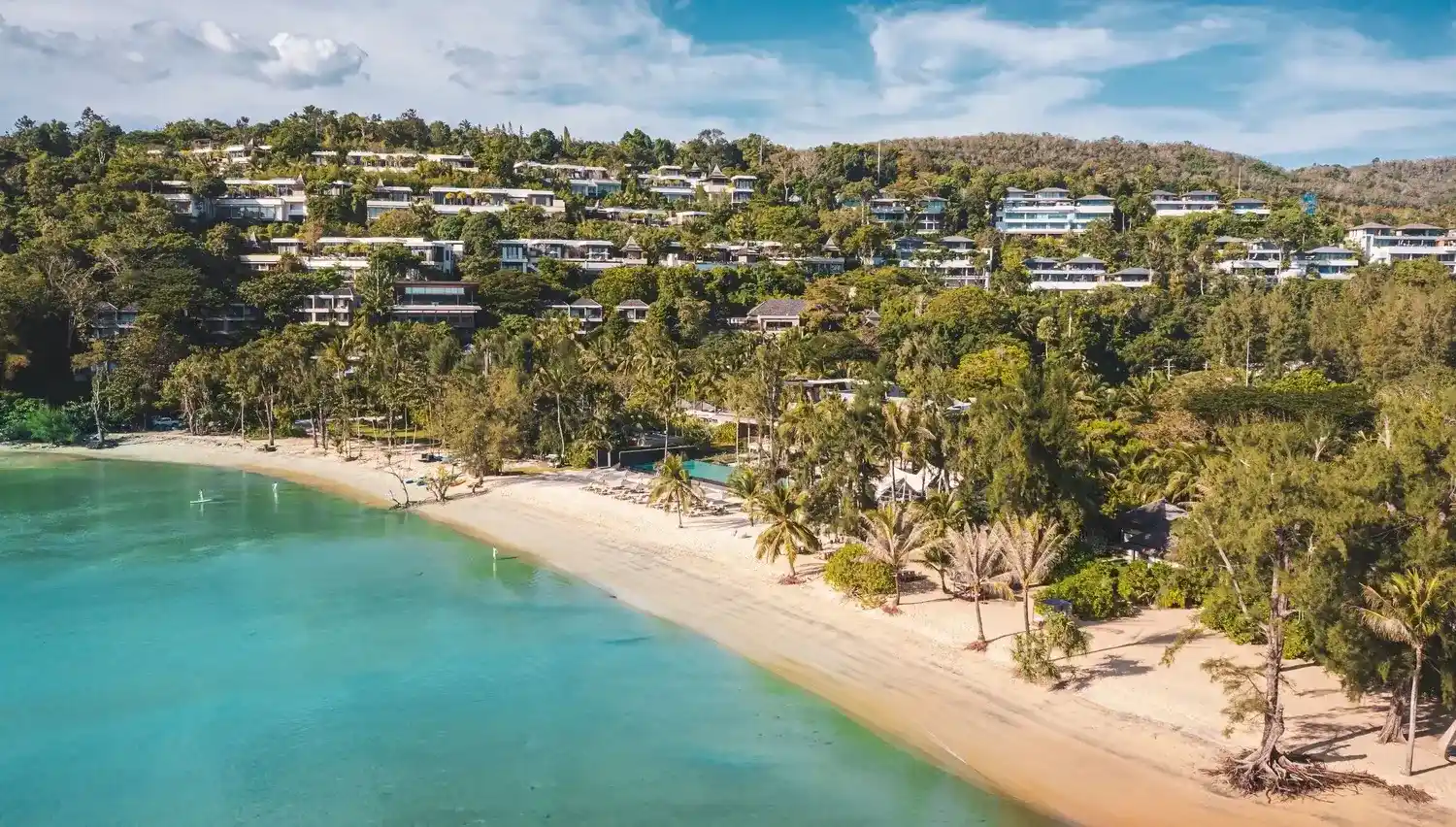
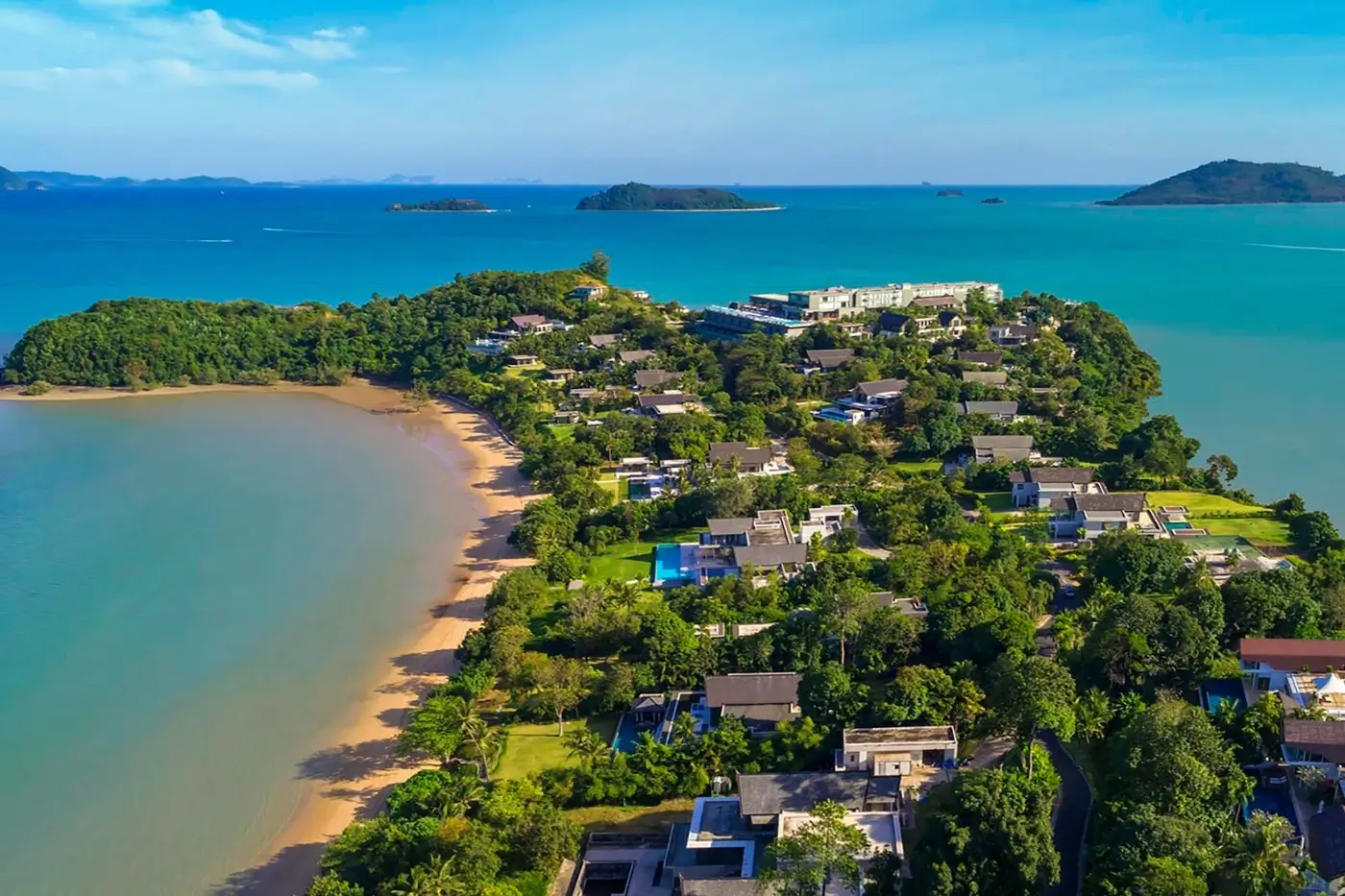
Leasehold is the standard structure used by international buyers purchasing villas in Cape Yamu, Layan Beach, Rawai, and across Phuket's luxury villa market.
Some buyers purchase property through a Thai Limited Company, which can hold freehold title to land. This is a legal structure — but it comes with important conditions.
The company must have genuine Thai shareholders (not nominees), a legitimate registered business purpose, and ongoing compliance obligations including annual accounts and filings. Using Thai nominees purely to circumvent land ownership restrictions is illegal under Thai law and carries serious legal and financial risk.
This structure is most appropriate for buyers who have professional legal advice and are operating the property as a genuine business — for example, a licensed villa rental operation. It is not a simple workaround and should not be entered into without qualified legal guidance.
Not all land in Thailand has the same level of legal protection. When buying any property in Phuket, always check the title deed type. The strongest and most secure is the Chanote (also written as Nor Sor 4 Jor) — this is the gold standard in Thai property ownership and the only title deed that gives you fully surveyed, legally unambiguous land rights. Always ask your lawyer to verify the title before proceeding.
For a full walkthrough of what to expect, read our complete Buyer's Guide to Phuket Property.
Demand from international buyers remains concentrated in Phuket's established luxury corridors. Bang Tao & Laguna is the most active area, driven by its beach access, international schools, and strong rental demand. Kamala and Surin attract buyers seeking privacy and proximity to the island's most exclusive dining and beach clubs. Cape Yamu and Layan appeal to buyers looking for larger villa estates with panoramic sea views. Rawai offers a quieter lifestyle with strong long-term value.
Browse our current selection of luxury properties for sale in Phuket — including foreign freehold condominiums and leasehold villas across the island's most sought-after locations.
Can foreigners buy property in Phuket?
Yes. Foreigners can own property in Phuket. For condominiums, foreigners can hold full freehold title in their personal name under the 49% foreign quota. For villas, the standard structure is a registered 30-year leasehold, which is legally secure and widely used by international buyers.
Can foreigners own a condo in Phuket outright?
Yes. Under the Thai Condominium Act, foreigners can own up to 49% of any registered condominium building on a freehold basis. The title deed is registered in your personal name at the Land Department with no expiry date.
Can foreigners own a villa in Phuket?
Foreigners cannot own land directly in Thailand. The standard structure for buying a villa is a registered long-term leasehold of 30 years, renewable. When properly drafted and registered at the Land Department, this is a legally secure ownership structure used by thousands of international buyers in Phuket.
Can foreigners buy land in Phuket?
No. Foreigners cannot own land directly in their own name in Thailand. You can lease land long-term (typically 30 years, renewable) and legally own the house or villa built on it, or hold land through a genuine, properly structured Thai company. Using nominee shareholders to bypass this restriction is illegal.
Is leasehold safe for foreign buyers in Phuket?
Yes. A leasehold is legally secure when it is properly drafted and registered at the Land Department, and it is a recognised structure used by thousands of foreign buyers in Phuket. Have an independent Thai lawyer review the renewal, inheritance, subletting and termination terms before you sign.
Do I need a Thai company to buy property in Phuket?
No, not in most cases. Condominiums can be owned directly in your name. Villas are typically purchased via a registered leasehold, which does not require a company structure. A Thai company is one option for some buyers but requires genuine Thai shareholders and proper legal setup.
What is the safest title deed to look for when buying in Phuket?
The Chanote (Nor Sor 4 Jor) is the strongest form of land title in Thailand. It provides fully surveyed, legally unambiguous land rights. Always ask your lawyer to verify the title deed before proceeding with any property purchase.
At Vanguard Realty Phuket, we work exclusively with serious international buyers. We can connect you with trusted independent legal advisors, introduce you to the right properties for your ownership goals, and guide you through every step of the process — from your first question to the day you collect your keys.
Talk to our team — we are happy to answer any questions you have, with no obligation.
Be the first to know about the latest news on the Phuket property market and lifestyle, as well as exclusive offers.